
Introduction
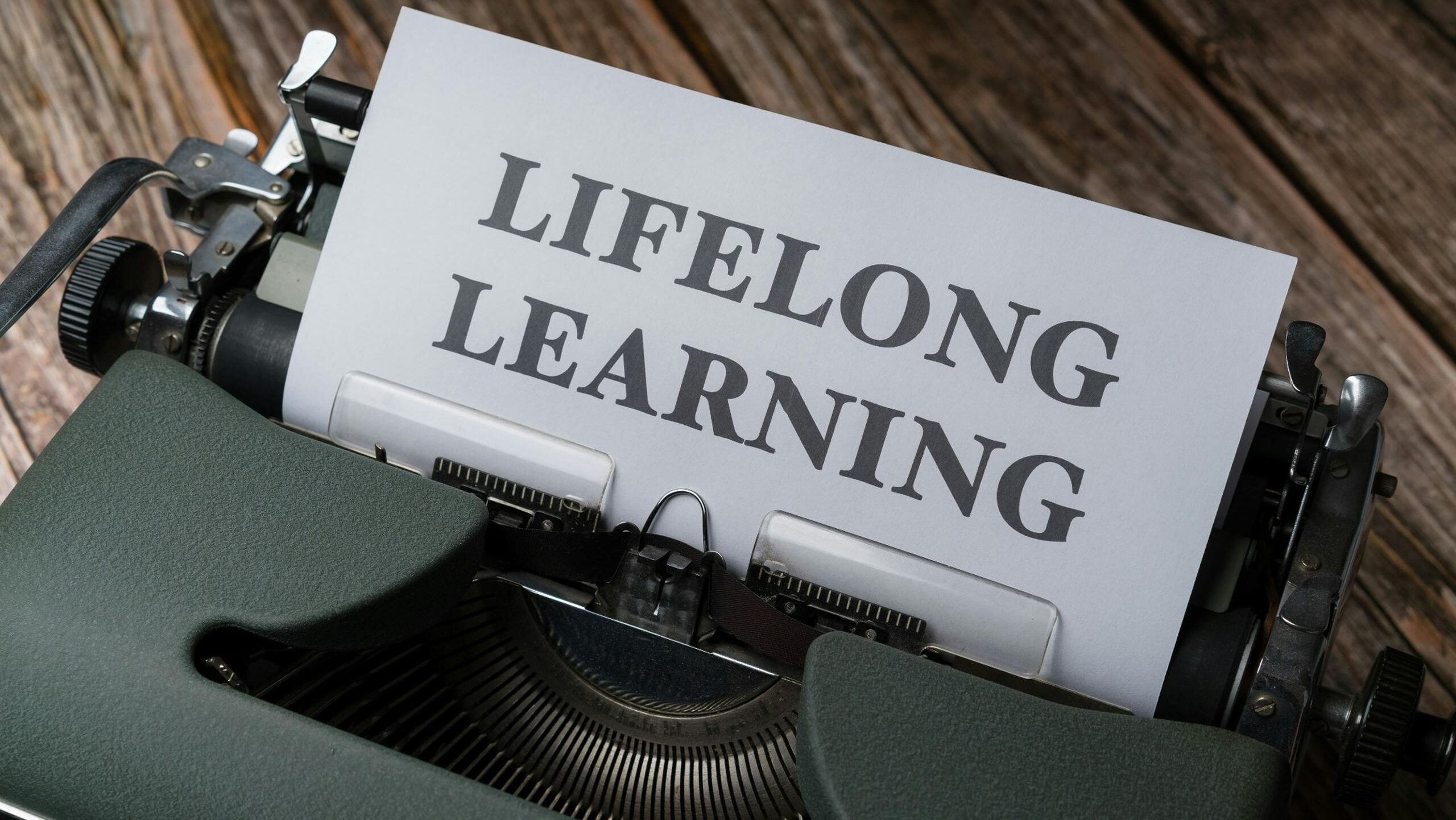
We live in a time of rapid technological innovation, changing business models, and evolving ideas about work; the traditional idea of “job security” has changed dramatically. A secure career, once characterized by thirty years in a single job, is now more an exception than the rule. In today’s world, in which continuing education is ever more important, professionals can no longer simply depend on a job title, university degree, or number of years of service to guarantee ‘job security.’ Rather, ‘job security’ now resides in your ability to learn, adapt, and reskill on an ongoing basis. This concept is at the heart of ‘lifelong learning.’
The Changing Nature of Work
Industries are transforming at an unprecedented pace due to globalization, artificial intelligence, and digital transformation. Jobs that were relevant just ten years ago are becoming automated or redefined through technology while new jobs did not exist ten years ago are created. Global studies of the workforce suggest that a significant proportion of the jobs we will be doing in the next decade will require skills that do not yet exist.
In this rapidly changing environment, professionals who seek lifelong learning will find themselves most positioned for success in their careers. Rather than preparing for the obsolescence of their jobs, they prepare for the obsolescence of their jobs by gaining mobility to migrate across roles or often into entirely different industries.
Defining Lifelong Learning Today
Lifelong learning extends beyond traditional education. It includes:
- Upskilling: Building on existing skills to ensure alignment with workplace standards.
- Reskilling: Learning new skills to assume other roles.
- Microlearning: Consuming small, intentional lessons that meet fast-paced lives.
- Self-Directed Learning: Pursuing interests that may inform future professional opportunities.
Today’s learning can be flexible, digital, and accessible. Online courses, professional certification programs, podcasts, webinars, mentorship programs, and other professional learning initiatives create opportunities for individuals to learn throughout their lives.
Why Does Lifelong Learning Equal Job Security?
Adapting to Change
An employee who is continuously learning will adapt to new behavioral skill set requirements for technology and workflows for the business much easier than someone who hasn’t. This quality makes a lifelong learner an asset to any employer.
More Career Opportunities
Employers are generally searching for candidates that hold transferrable skills and possess a growth mindset. Both of these qualities are characteristics of someone who engages in lifelong learning.
Career Flexibility
As industries adapt, transferrable skills provide a greater sense of flexibility to move into new industries and new position responsibilities for leadership and guidance.
Professional and Personal Development
Learning is essential to not only provide professional resiliency but also enhance personal confidence and develop the motivation to engage in seeking new opportunities.
Provides Career Relevancy
Lifelong learning provides the assurance that an employee remains relevant and adaptable even as industries and organization change within the marketplace.
Overcoming barriers to lifelong learning
Despite the benefits, many professionals are hesitant to engage in lifelong learning because of barriers (like time, money, or overcoming the fear of starting over). The truth is that there are probably practical solutions:
Time: Consider a micro-learning platform that suits your life.
Money: Utilize free or low-cost course offerings from universities and other online providers.
Mindset: Think of learning as an investment in yourself, rather than a quick sprint.
Organizations also contribute to someone’s learning culture through training initiatives, or by encouraging them to pursue professional development.
Employers’ Role
Innovative companies recognize that their performance is linked to the skills of their workforce. By advocating for lifelong learning through a training budget, support for mentorship and training, and career advancement, employers retain employees and future-proof their businesses.
Employees must also be responsible for their own learning journey. Employees must identify opportunities to learn, encourage support, and understand that their development should support organizational performance.
Conclusion
In today’s rapidly changing world, the essence of career security is not permanence but preparedness. Lifelong learning gives professionals the skills to be relevant, resilient, and flexible, no matter how workplaces change.
For individuals, it is a pledge to life-long growth. For organizations, an investment in their future. Simply put, lifelong learning is no longer an option, it is a cornerstone of sustainable careers for the 21st century.
At CVPolis, we are committed to helping professionals embrace continuous growth. Explore our resources, insights, and tools to make lifelong learning your competitive advantage.